Family-owned · Colorado Springs Local
Pressure Reducing Valve Repair and Replacement
Master Plumber Marvin Guida checks your water pressure, assesses the valve, and explains the fix before any work begins.
Free estimate
Tell us what you need
Three fields. We will reach out to you ASAP.
What a Pressure Reducing Valve Does
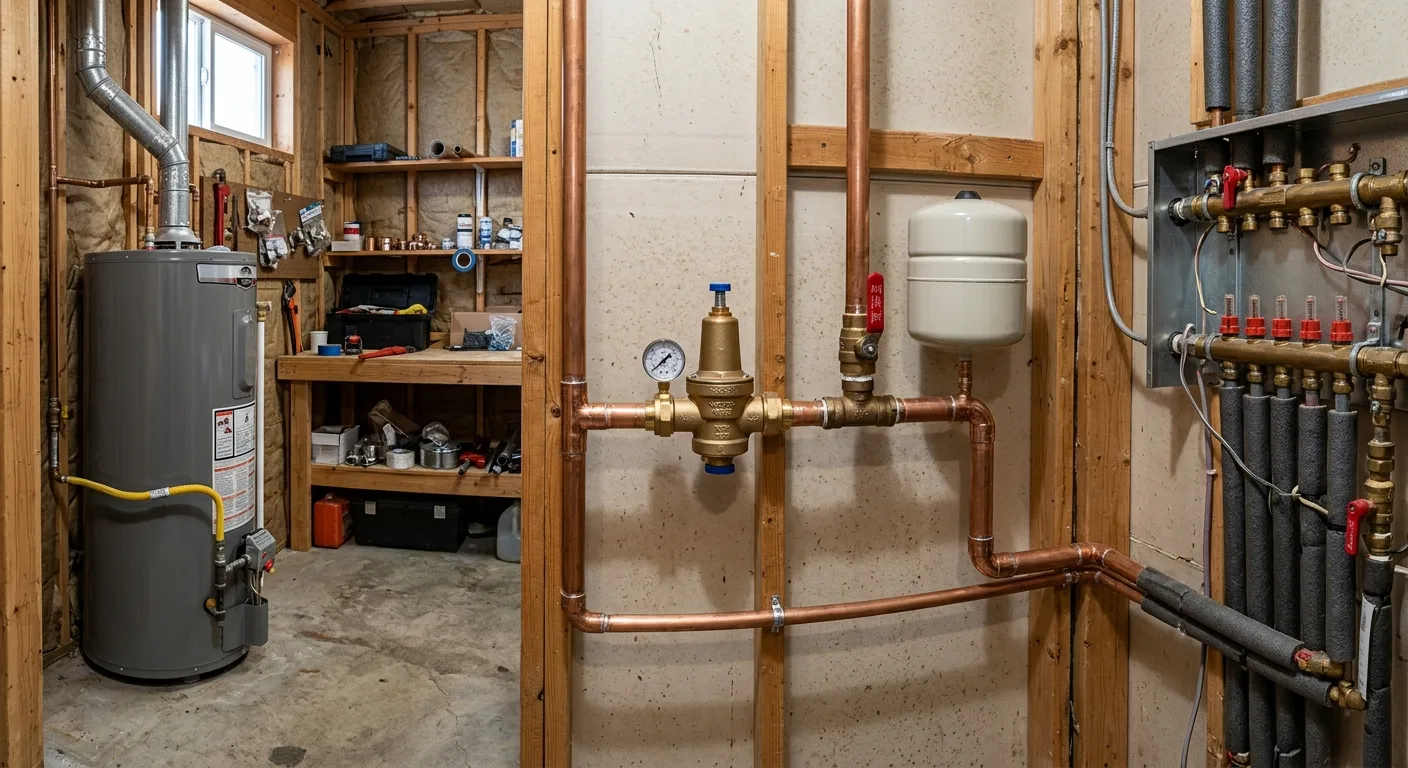
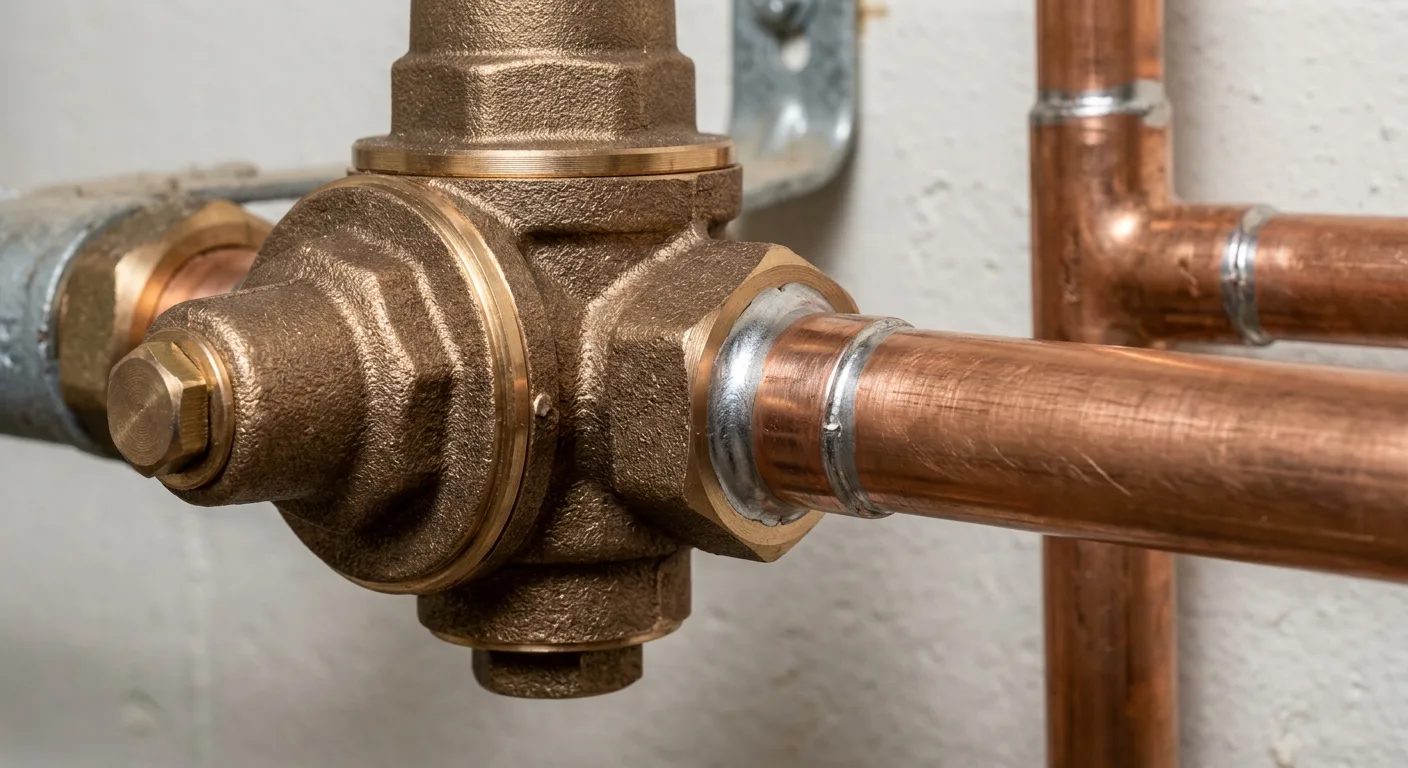
A pressure reducing valve, or PRV, sits on your main water line and brings high municipal supply pressure down to a safe level before it reaches your fixtures, water heater, and appliances. When a PRV fails, pressure in the house can climb well above what residential plumbing is built to handle. Master Plumber Marvin Guida (CO #MP.03001524, 25 years of hands-on experience) checks your actual water pressure, assesses the condition of the existing valve, and explains the recommended work before touching anything. Call (719) 774-7451 to get it checked.
The most common sign of a failing PRV is excessive household water pressure: banging pipes, faucets that spit or surge, running toilets, or a water heater that's showing stress earlier than it should. Some homes never had a PRV installed at all, which leaves every fixture and supply line exposed to full municipal pressure around the clock. Either way, Marvin tests the actual pressure at the hose bib before recommending anything, so the diagnosis is based on a number, not a guess.
DIAGNOSIS
Signs Your PRV Needs Attention
These are the symptoms Marvin hears about most.
Excessive Water Pressure
Household plumbing is generally built for pressure in the 40 to 80 psi range. Marvin tests your actual incoming pressure with a gauge at an outdoor hose bib before recommending any work.
Banging or Knocking Pipes
A knocking or banging sound when a fixture shuts off, especially a toilet or washing machine valve, often points to pressure running higher than the system was designed for.
Faucets Surging or Spitting
Faucets that surge, spit, or spray harder than expected, or a shower that feels like it's blasting instead of flowing, are common symptoms of an undersized or failed PRV.
Premature Fixture and Appliance Wear
High incoming pressure stresses water heater tanks, supply line connections, and fixture seals faster than normal use would. A failing PRV is a common hidden cause behind early fixture failures.
Our Process
How Marvin Handles a PRV Job
Four steps, in this order, every time.
- 01
Check the Pressure
Marvin tests your actual incoming water pressure with a gauge, usually at an outdoor hose bib, so the diagnosis starts with a real number rather than a guess.
- 02
Assess the Valve
If pressure is outside a safe range, Marvin inspects the existing valve, or confirms there isn't one, to determine what's actually causing the problem.
- 03
Explain the Recommended Work
Marvin explains what he found and what he recommends in plain terms before any work begins, so you know what you're approving and why.
- 04
Test After Replacement
After the valve is installed or replaced, Marvin re-tests the pressure at the same point to confirm it's holding in a safe range before he calls the job done.
Why This Shows Up So Often in This Area